Top Recommendations for HVAC Business Cards
Below, curated a premier selection of high-quality Custom HVAC business cards tailored for professional technicians, awaits the perfect design to elevate your brand. Browse customizable templates with modern layouts and durable finishes. Stand out from the pack and secure more service calls today.
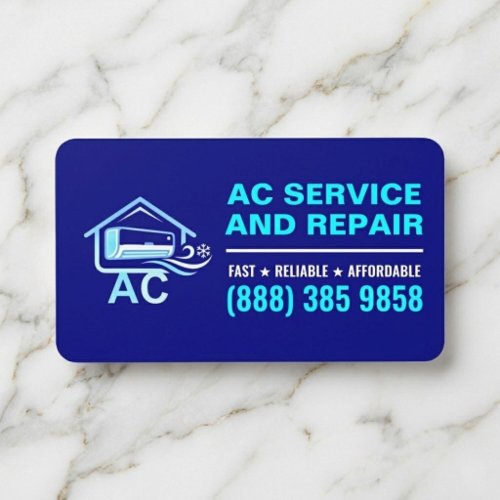
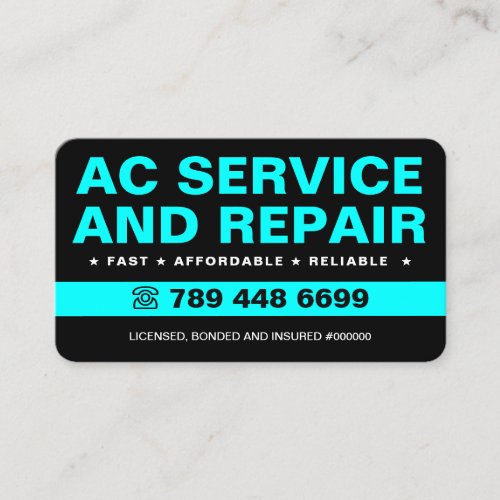
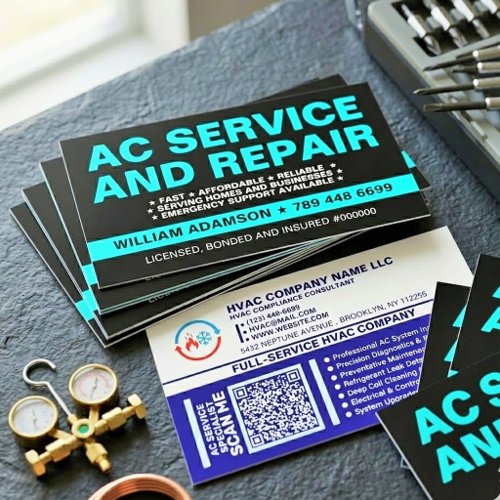


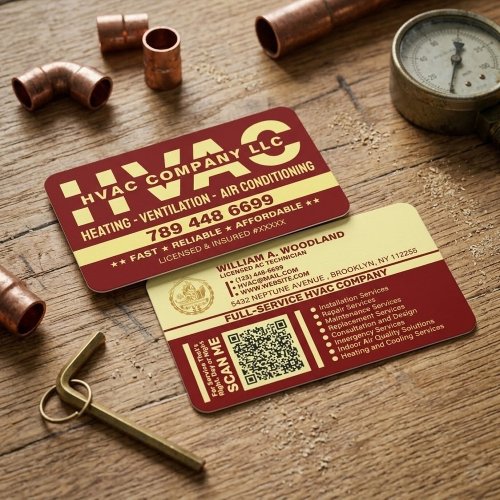
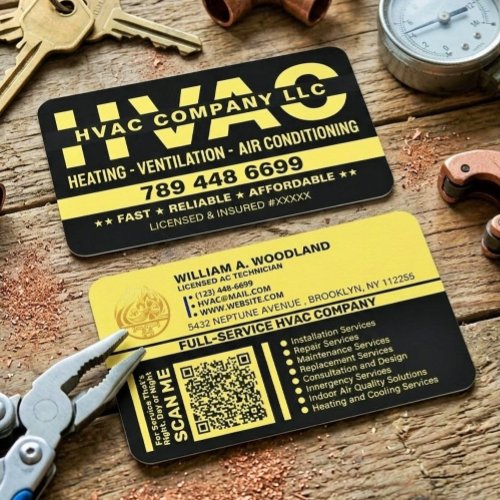
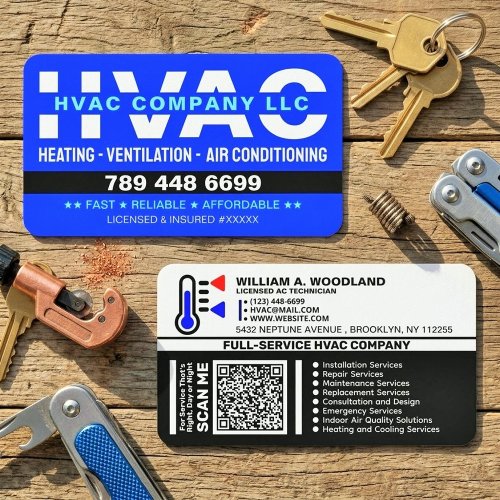


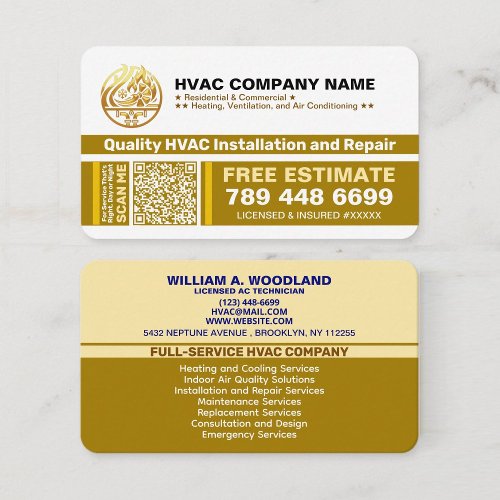
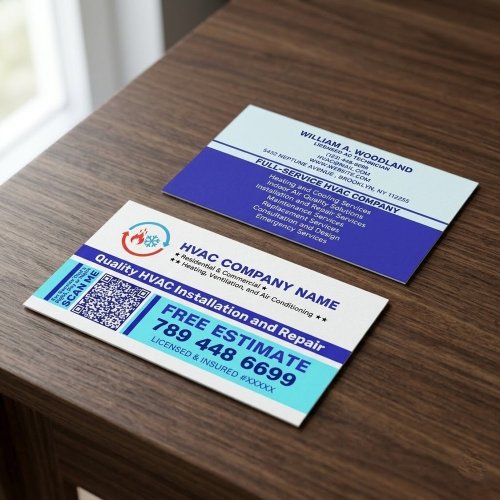
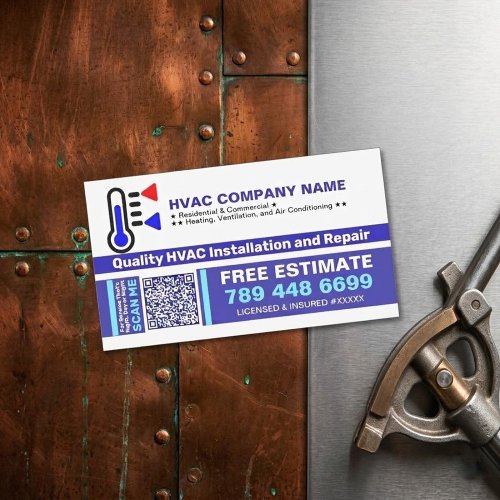
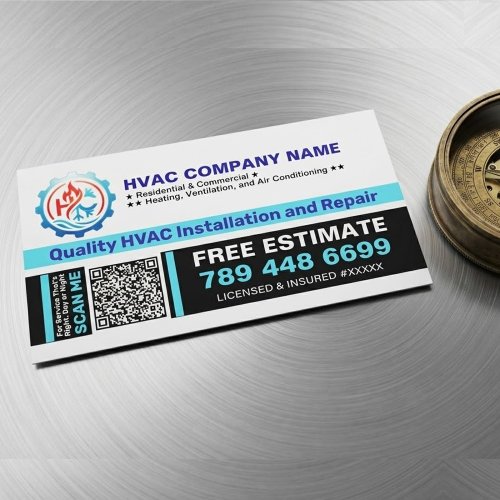
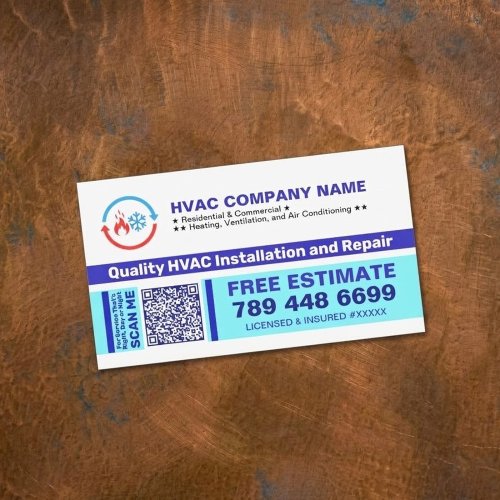
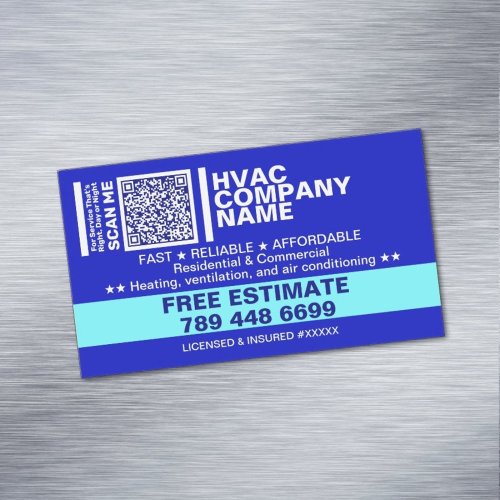
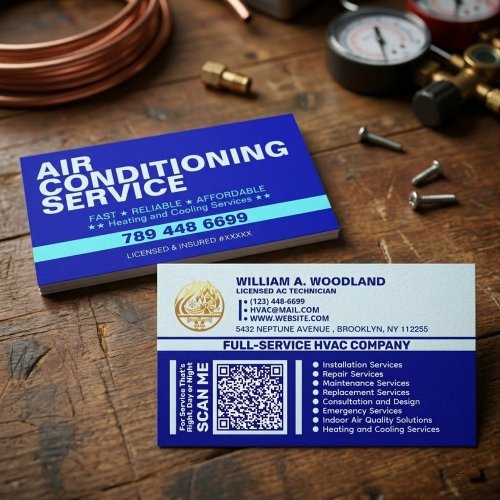
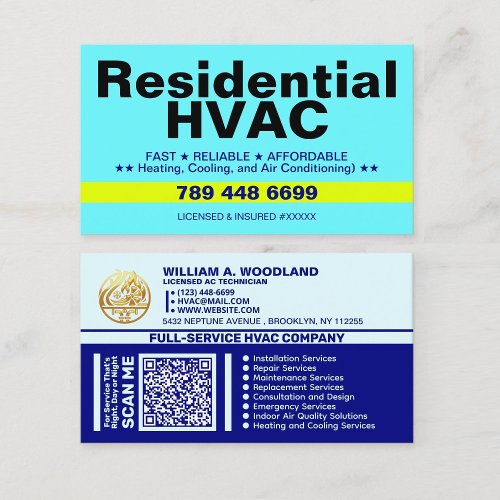
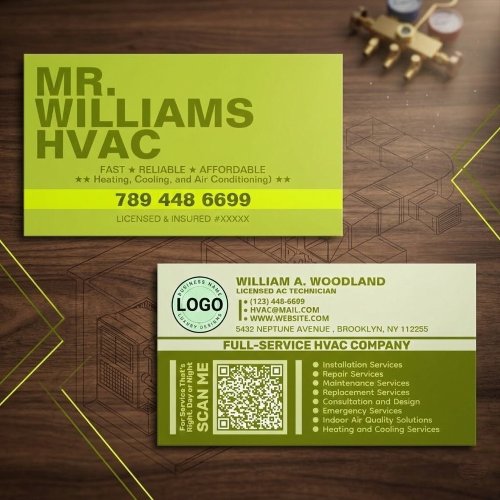
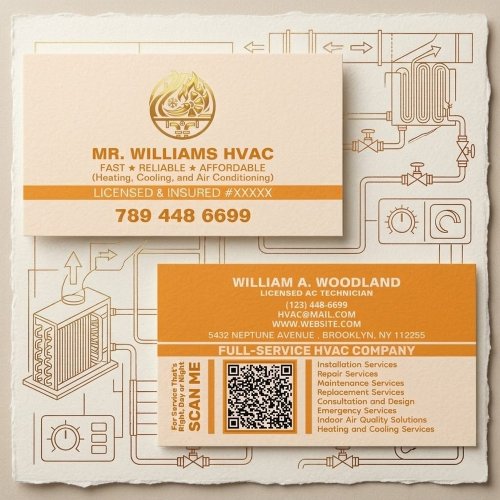
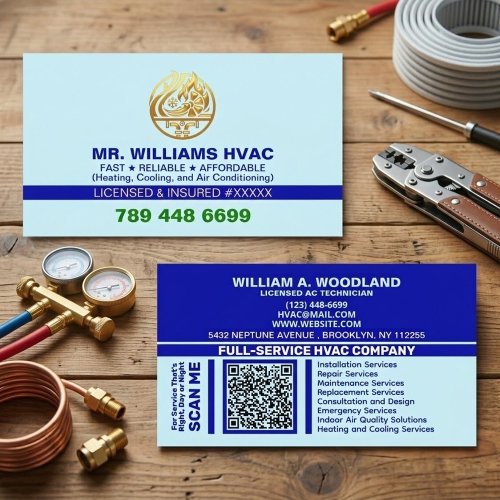
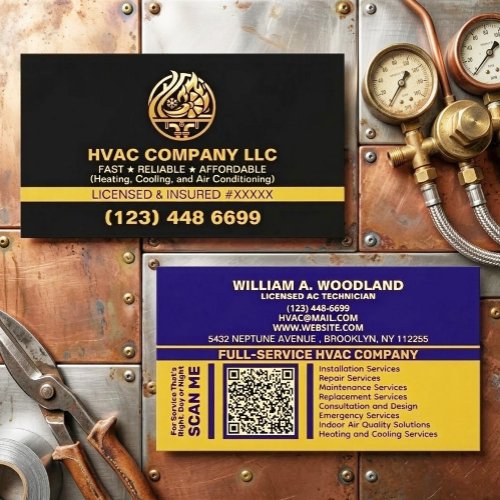
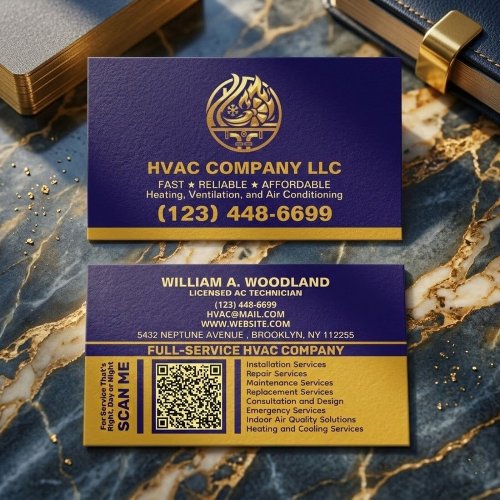
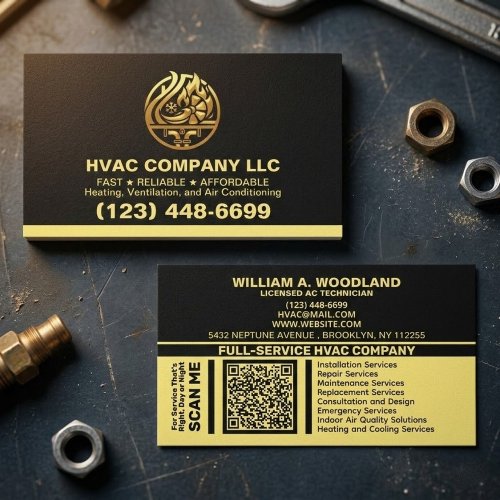
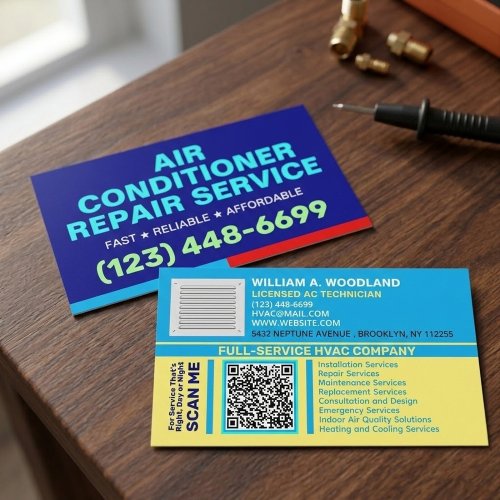
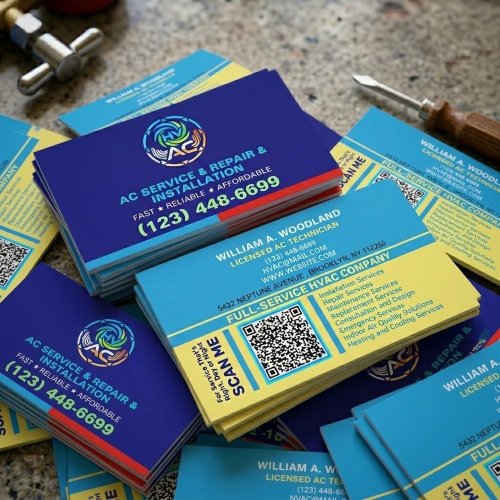
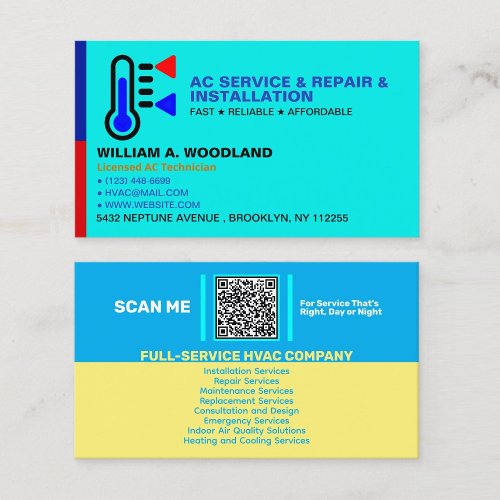
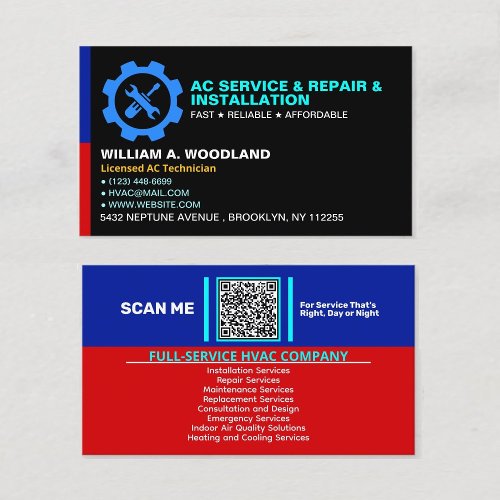
Professional HVAC Business Cards: The Ultimate Guide to Standing Out in the Field
In an industry built on trust, speed, and reliability, your custom HVAC business cards are often the first—and sometimes only—physical impression you leave behind. Whether you’re crawling through an attic to fix a furnace in January or diagnosing a failing compressor in the middle of July, a professionally designed card in a homeowner’s hand transforms a one-time service call into a long-term customer relationship. For less than the cost of a single paid ad click, a premium business card works 24/7 in wallets, on refrigerators, and inside filing cabinets. This guide breaks down exactly how to design, print, and distribute custom HVAC business cards that convert casual contacts into loyal clients.
Why Branding Matters for HVAC Businesses
The heating and cooling industry is fiercely competitive. In most markets, homeowners can choose from dozens of contractors with a single Google search. So why do some HVAC companies dominate their territories while others struggle to stay booked? The answer often comes down to brand perception.
Your HVAC business cards are miniature billboards for professionalism. When a technician hands a customer a flimsy, inkjet-printed card with crooked text, the subliminal message is clear: this operation cuts corners. Conversely, a heavy-stock, foil-accented card signals investment, stability, and attention to detail—qualities every homeowner wants in someone handling their $10,000 HVAC system.
Trust-building at the point of service is critical. Most HVAC interactions happen during stress: a dead furnace on a freezing night, or an AC unit blowing hot air during a heatwave. In these moments, customers are not just buying a repair; they are buying peace of mind. A polished card that includes your license number, bonding information, and emergency contact line reassures panicked homeowners that they have hired a legitimate, accountable professional.
Long-term customer retention also hinges on branding consistency. When your heating and cooling business cards match your truck wraps, uniforms, and website, you create a cohesive brand ecosystem. Customers remember cohesive brands. They recommend them to neighbors. They stick with them for bi-annual maintenance plans. That tiny rectangle of cardstock? It is the anchor of your entire offline marketing strategy.
Essential Design Elements for High-Impact HVAC Cards
A beautiful card that fails to communicate is just expensive paper. Every custom HVAC business card must balance aesthetics with hard-working information architecture. Here are the non-negotiables:
1. License and Certification Numbers In many states, displaying your HVAC contractor license number on marketing materials is not just smart—it is legally required. Prominently feature your state license, EPA 608 certification, and any manufacturer certifications (e.g., Carrier Factory Authorized, Trane Comfort Specialist). This instantly separates you from unlicensed handymen.
2. Emergency Service Icons A small flame icon for heating and a snowflake for cooling communicate your service range faster than text. Consider adding a 24/7 badge or “Emergency Service Available” banner. These visual cues trigger immediate recognition when a customer is frantically searching their junk drawer at 2:00 AM.
3. Social Proof Micro-Elements If space allows, include a trust indicator such as:
- “4.9 Stars on Google”
- “BBB A+ Rated”
- “Serving [City] Since 1998”
These micro-statements build authority without cluttering the layout.
4. Clear Hierarchy of Contact Methods Your phone number should be the largest text element after your company name. Follow with your website, email, and physical service area. Avoid fax numbers—this is not 1997.
5. Professional Photography or Illustration Stock photos of generic technicians feel hollow. If budget allows, use a high-resolution image of your actual team, your branded service van, or a clean vector illustration of an HVAC unit. Authenticity resonates.
Color Psychology and Typography in HVAC Branding
Color is not decorative in HVAC technician branding—it is strategic. The palette you choose triggers subconscious emotional responses that either attract or repel potential customers.
The Blue Standard Blue dominates the HVAC industry for good reason. Psychologically, blue conveys trust, stability, and calm—exactly what a sweating homeowner wants to feel when their AC dies in August. Navy and royal blue tones signal corporate reliability, while lighter sky blues feel approachable and friendly.
The Red Accent Red is the color of urgency and heat. Used sparingly as an accent, red draws the eye to emergency phone numbers, “24/7 Service” banners, or special offers. However, avoid red-dominant backgrounds; too much red can trigger anxiety rather than action.
The Green Alternative Eco-conscious HVAC companies increasingly use green to signal energy efficiency, smart thermostats, and sustainable practices. If your brand focuses on high-SEER systems and geothermal solutions, green differentiates you from the blue-and-red majority.
Typography: The Font of Reliability Your font choice whispers (or screams) your brand personality:
- Sans-serif fonts like Helvetica, Montserrat, or Roboto convey modernity, cleanliness, and technical precision—ideal for residential HVAC.
- Serif fonts like Garamond or Merriweather suggest tradition, heritage, and established authority—strong for multi-generational family businesses.
- Avoid script or decorative fonts at all costs. They sacrifice legibility and look amateur on contractor marketing materials.
Pro tip: Limit your card to two font families maximum—one for headlines and one for body text. Consistency breeds professionalism.
Technical Specifications: Choosing the Right Paper & Finish
The tactile experience of your professional AC repair cards matters more than most contractors realize. A card’s weight, texture, and finish communicate quality before a single word is read.
Cardstock Weight: 14pt vs. 16pt vs. 32pt
- 14pt cardstock is the industry minimum. It feels lightweight and bends easily. Acceptable for budget bulk orders, but it will not impress.
- 16pt cardstock is the sweet spot for most HVAC companies. It has substantial heft, resists bending in a wallet, and signals quality without excessive cost.
- 32pt ultra-thick stock (often layered with colored cores) creates a luxury, “credit card” feel. Best for commercial HVAC firms targeting property managers and high-end residential clients.
Finish: Matte vs. UV Glossy vs. Soft-Touch
- Matte finish reduces glare and allows for easy handwriting—useful if technicians jot appointment times on cards. It feels sophisticated and modern.
- UV glossy finish makes colors pop and photographs shine. It is durable and resists moisture (a plus for technicians with sweaty hands). However, fingerprints show easily.
- Soft-touch laminate adds a velvet-like texture that is unforgettable. It is premium-priced but creates a lasting sensory impression.
Rounded Corners A subtle but powerful upgrade. Rounded corners prevent dog-earing, make cards easier to slide out of wallets, and give a contemporary, finished look. For custom HVAC stationery, this small detail signals that you care about the details—just like you care about the details of a ductwork installation.
Spot UV and Foil Stamping Add spot UV coating to make your logo or phone number literally shine. Foil stamping (silver, gold, or holographic) elevates cards to keepsake status. These embellishments are worth the investment for owner-operators who personally network at Chamber of Commerce events.
Modern Features: The Rise of QR Codes in HVAC Marketing
The humble QR code has evolved from a gimmick to a essential conversion tool. On custom HVAC business cards, a well-placed QR code bridges the gap between physical and digital marketing.
Direct-to-Booking Links Instead of hoping customers remember to call later, let them scan and schedule instantly. Link your QR code to an online booking portal like ServiceTitan, Housecall Pro, or a simple Calendly integration. Reduce friction, increase appointments.
Google Review Generation Your happiest customers hold your card in their hands immediately after a successful repair. Seize the moment. A QR code linking directly to your Google Business Profile review page makes leaving a five-star review effortless. One scan. Three taps. Done.
Maintenance Plan Sign-Up Recurring revenue is the holy grail of HVAC profitability. Use a QR code to send customers to a landing page explaining your VIP maintenance club benefits: priority scheduling, discounted repairs, and free tune-ups. Capture the email address. Automate the nurture sequence.
Technical Tip: Always include a short URL beneath the QR code for the minority of users who prefer typing. Test the code at print size—if it is smaller than 0.8 inches, some older phones may struggle to scan it.
Networking and Distribution Strategies for Contractors
A stunning card sitting in a box in your office is worthless. Strategic distribution is where personalized HVAC business cards generate ROI.
The Service Call Handoff Never leave a job site without placing a card in the customer’s hand—literally. Do not tape it to the furnace or leave it on the counter. Hand it to them, make eye contact, and say: “Keep this somewhere safe. If anything acts up, call me directly.” That direct line language builds a personal bond.
Strategic Partnerships Build referral networks with complementary home service professionals:
- Plumbers: Leaking water heaters often need HVAC coordination.
- Electricians: Panel upgrades frequently coincide with furnace or AC installations.
- Real estate agents: They need reliable inspectors and repair referrals for new homeowners.
- Property managers: They control dozens or hundreds of units. One relationship can yield thousands in annual contract work.
Leave 20 cards, not 2. Property managers lose things.
Community Board Placement Coffee shops, libraries, and hardware stores still have physical bulletin boards. Print a portion of your personalized cards with a small “tear-off” discount tab at the bottom ($25 off next service). It turns a static card into an interactive coupon.
Direct Mail Inserts Include a card in every invoice envelope, seasonal reminder postcard, and thank-you note. The incremental cost is pennies; the brand reinforcement is priceless.
Trade Show Dominance At home and garden expos, do not just stack cards on a table—hand them out during conversation. Better yet, attach them to small branded items: refrigerator magnets, air fresheners shaped like snowflakes, or mini tape measures. The card stays because the gift stays.
Comprehensive FAQ for HVAC Business Owners
What information is legally required on HVAC business cards? Requirements vary by state, but most jurisdictions mandate that contractor license numbers appear on all advertising materials, including business cards. Some states also require bonding or insurance disclosures. Always check with your state’s contractor board. When in doubt, include your license number prominently—it builds trust anyway.
How much should an HVAC company spend on personalized business cards? For a professional 16pt matte card with rounded corners, expect $0.15 to $0.40 per card depending on order volume (500 to 2,500 units). Premium features like foil stamping or soft-touch laminate can push costs to $0.75 to $1.50 per card. Budget at least $200 to $500 annually for card replenishment. This is among the lowest-cost, highest-ROI marketing expenses in your entire budget.
Should HVAC technicians carry their own cards or use company cards? Company-branded cards are essential for consistency. However, lead technicians or sales professionals can benefit from personalized cards that include their name, photo, and direct cell number. This personal touch increases callback rates, especially in residential service where trust is interpersonal.
What is the best size for HVAC business cards? Stick to the standard U.S. size of 3.5″ x 2″. Non-standard sizes get lost, damaged, or discarded because they do not fit standard wallets or cardholders. If you want to stand out, do it through design quality and paper stock—not through awkward dimensions.
Are digital business cards replacing physical cards for HVAC contractors? Not in this industry. While digital cards (NFC taps, QR profiles) are growing in tech sectors, HVAC remains a tactile, trust-based field. Homeowners—especially older demographics who are the primary decision-makers for major HVAC purchases—prefer physical cards they can pin to a bulletin board or stick in a kitchen drawer. The best strategy is a hybrid: a premium physical card with a QR code linking to your digital presence.
How often should an HVAC company redesign its business cards? Audit your cards every two to three years, or immediately if your branding, contact information, or service offerings change significantly. Outdated cards with old logos or disconnected phone numbers actively damage your credibility. If your card still features a Yahoo email address, it is time.
Can I design my own HVAC business cards using free online tools? You can, but you should not. Free tools produce generic templates that every other contractor uses. More importantly, they lack the technical setup for proper bleed lines, color profiles (CMYK vs. RGB), and resolution requirements for professional printing. A slightly higher investment in a graphic designer or premium template service pays for itself in print quality and brand differentiation.
Your Blueprint for Success
Your personalized HVAC business cards are not relics of a bygone marketing era—they are precision tools for trust, retention, and revenue growth. In a trade where customers invite you into their homes and trust you with their family’s comfort, every touchpoint must scream professionalism. From the psychology of your color choices to the heft of your cardstock, from the clarity of your license number to the convenience of a QR code, every element of your card should work as hard as you do in the field.
Stop treating business cards as an afterthought. Elevate them to the strategic asset they deserve to be. Because in the HVAC industry, the contractor who builds the most trust wins the most business—and it all starts with what you leave behind.